
How to Identify and Solve Your Cat’s Separation Anxiety
This post may include affiliate links. Please read my disclosure policy.
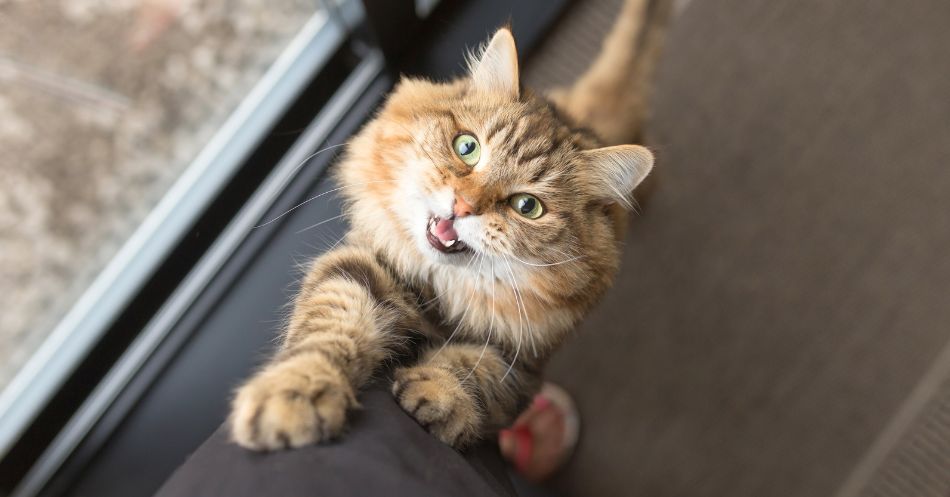
Does your cat yowl or start racing through the house when you’re getting ready to leave? Do you find destroyed drapes or poop on the floor when you return? If so, your cat may be suffering from separation anxiety.
Some pet parents, however, may miss these signs of anxiety for one major reason – they don’t think their cat could have it.
Another common reason separation anxiety is missed is that many behaviors are brushed off as “normal cat behavior” or assumed to be spite or boredom, when in reality they are stress responses.
Can Cats Have Separation Anxiety?
Contrary to popular belief, cats are not always solitary creatures and can indeed experience separation anxiety. While this is often overlooked in cats, it’s crucial to recognize the signs. This is especially true for cats who were orphaned or who are suddenly alone after long periods of being with their humans.
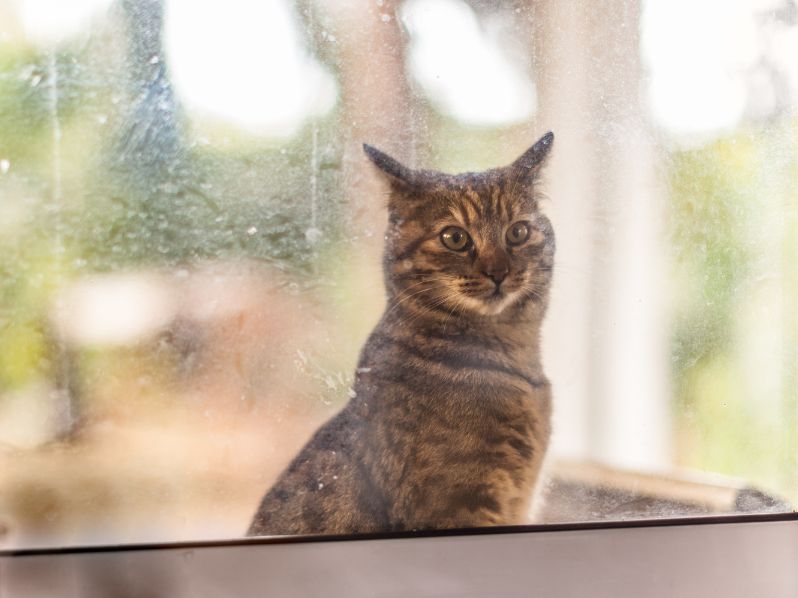
They are the boss of their surroundings and they’re a bit of type A personality. This means when something is out of order, like their human being gone when they’re usually at home, it causes them stress.
In a survey conducted by Ceva Animal Health, nearly 60% of cats in US households showed signs of stress or anxiety.
More recent behavioral research continues to support this finding, with veterinary behaviorists noting an increase in anxiety related behaviors in indoor cats and cats living in smaller households or with changing routines.
Cats that are especially prone to separation anxiety include:
- Cats adopted during kittenhood who formed strong human bonds
- Cats that experienced a major life change (new home, loss of a person or pet, schedule changes)
- Senior cats who rely heavily on predictable routines
- Single pet households where the cat has limited social interaction
Is Separation Anxiety Harmful to Cats?
Yes. A cat can be temporarily stressed, but when it persists it leads to anxiety and associated behaviors. If you’re planning on getting a cat or currently have a cat, don’t assume that you can be gone for long periods of time and the cat will be ok.
Over time, anxiety affects the immune system and can lead to a higher prevalence of disease and harm your cat’s quality of life.
Chronic anxiety has also been linked to gastrointestinal upset, urinary issues (such as feline idiopathic cystitis), skin conditions, and changes in appetite.
That’s why it’s important to know the signs of separation anxiety in cats – and how to help our feline friends overcome it.
9 Signs of Cat Separation Anxiety
Cats are great at picking up on our patterns and routines. Hibiki, a rescue cat in the Pet Living family, can always tell when his pet mom, Alyssa, is getting ready to leave the house.
“I don’t know how, but he always knows long before I grab my keys or head out the door – and he always gets excited and begs for a treat as soon as he figures it out,” Alyssa said. “I gave him one once, and it’s become a tradition. He also can tell when I’m only getting ready to go outside to garden or ride my bike and won’t beg those times.”
For many cats, though, signs that their pet parent is leaving fill them with anxiety. But how do they show it?
You may see some of these signs when you’re preparing to leave, or you may see them when you return.
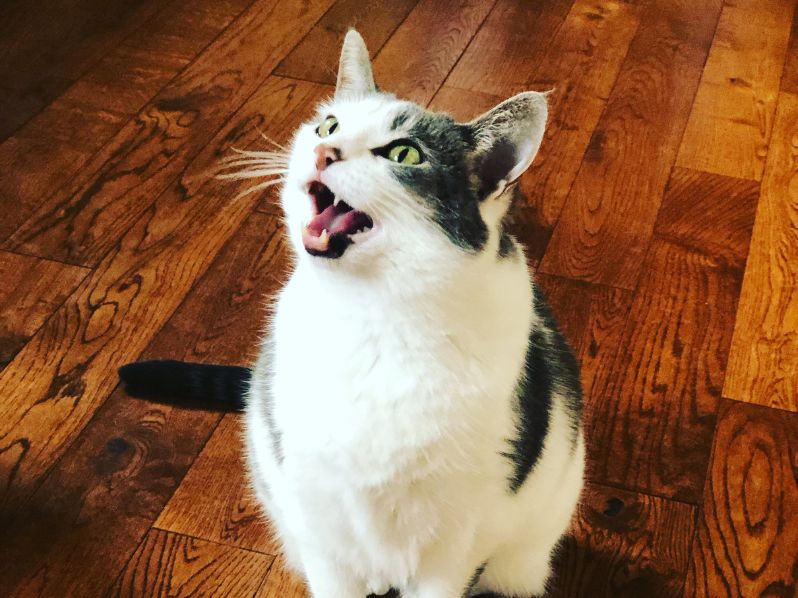
1. Increased Vocalization
Cats don’t generally meow at other cats. Most cats reserve their meows for humans. So if you hear your cat meowing more than usual – or even yowling – when you’re getting ready to leave, they may be feeling anxiety.
Some cats may also vocalize excessively after you’ve already left, which can sometimes be detected using a pet camera or reported by neighbors.
2. Overgrooming/Hair Loss
While cats usually groom to clean themselves, it also can be a way to self-soothe. An anxious cat may groom themselves until they develop bald patches in their fur.
Common areas include the belly, legs, and base of the tail.
3. Pacing/Restlessness
Most cats get “the zoomies” from time to time. But if your cat only goes into hyperdrive when you’re leaving, they may be getting stressed.
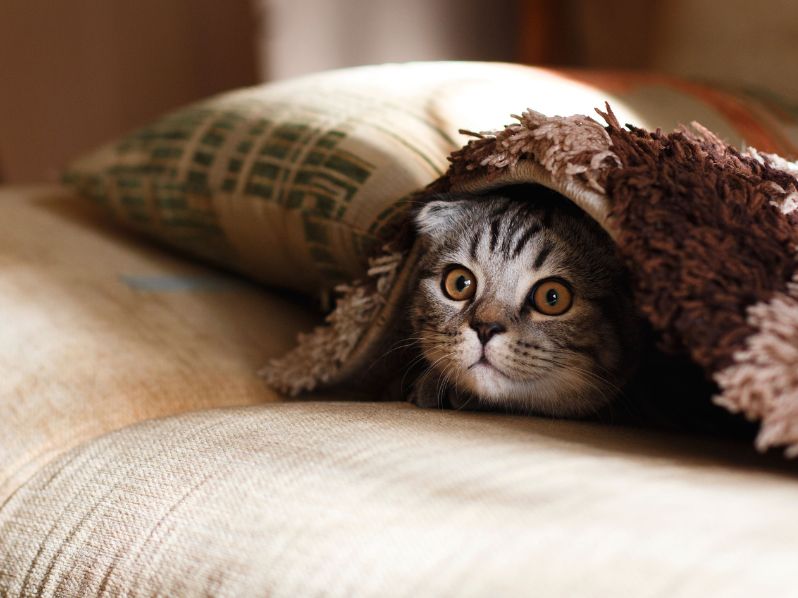
4. Hiding
Hiding is a very common sign of a stressed cat. Your cat may hide under the bed or in a closet. They’re looking for a place to feel safe and secure to comfort themselves.
5. Clinginess
If your cat doesn’t want you to leave, they may become very clingy. This may include following you around the house or begging to be held.
Some cats may also block doorways or sit on items you need to leave with, such as shoes, bags, or coats.
6. Destructive Behavior
Destructive behavior includes scratching, chewing, or shredding. When you come home and find your normally non-destructive cat has clawed the curtains or scratched up a door frame, anxiety may be to blame.
7. Litter Box Issues
Litter box issues include peeing or pooping outside the litter box. This can also be caused by various medical conditions. Consult your veterinarian to eliminate any medical reasons first.
Anxiety related litter box issues often occur near doors, windows, or areas that smell strongly of you.
8. Aggression
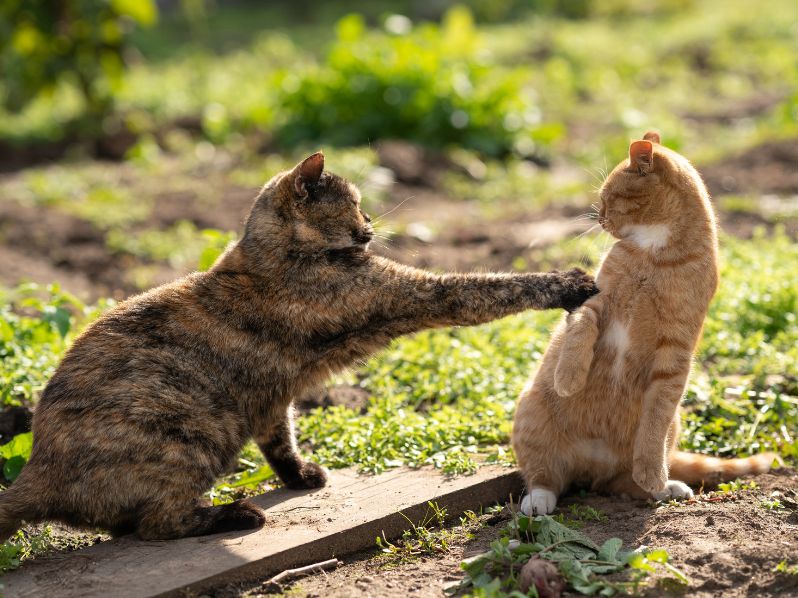
Aggression could be toward humans or other animals. This includes things like swiping at your ankles as you walk down the hall. Your cat also may hiss at or start fights with any other cats or dogs in your family.
9. Twitching or Trembling
Humans may tremble when they’re frightened, too, but it looks a little different in cats. Twitching or trembling may include flicking their tail back and forth or moving their ears around.
Additional signs to watch for include changes in appetite, vomiting related to stress, and excessive sleeping immediately after you return home.
If you regularly see any of these signs when you leave your house or return, it’s likely your cat has separation anxiety. But what can you do to help?
Pin me!

How to Help Your Anxious Cat with Their Separation Anxiety
No one likes to see their cat suffer from anxiety. But most pet parents don’t know what to do about it. In fact, in the same survey mentioned above, 23% of pet parents of anxious cats said they didn’t know what to do about their cat’s anxiety. And another 37% decided to simply wait and see if the issue resolved itself!
Sadly, behavioral issues don’t generally go away on their own. But that doesn’t mean it’s a hopeless situation! There are many things you can do to help.
1. Talk with Your Veterinarian
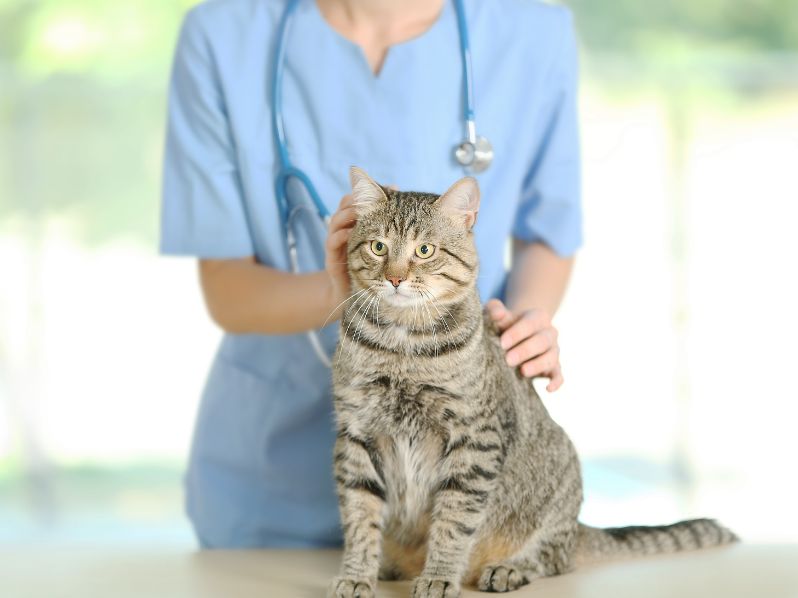
If you suspect your cat has separation anxiety, speak with your veterinarian. They can make sure there aren’t any medical issues at play. Depending on how severe your cat’s anxiety is, they may recommend a supplement or medication.
Common recommendations in 2026 may include calming supplements, prescription anti-anxiety medications, or a referral to a veterinary behaviorist.
2. Don’t Make a Big Deal Out of Leaving
It may be tempting to pet your anxious cat or give them extra attention before you leave. Ironically, this may do more harm than good. That’s because it makes your leaving an “event.”
The more low-key your departure is, the better. If possible, put your keys, purse, or other items in your car well before you actually leave.
If you notice a specific trigger is making your cat anxious, use it “out of order.” For example, if your cat starts meowing when you pick up your keys, try picking the keys up and walking around for a bit. Then put them back without leaving home. By setting off your cat’s triggers without actually leaving, your cat will gradually become less sensitive to them.
3. Keep Them Entertained
Even when you’re not there, you can entertain your cat. Make sure they have perches where they can see the outside world. Toys should be available, too. See my favorite recommendations for enrichment here.
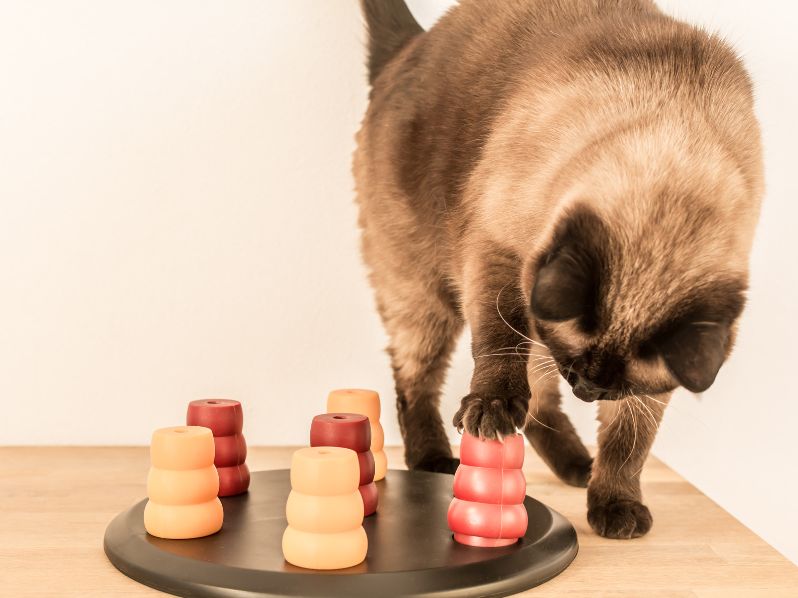
Food puzzles can be a great way to entertain your cat. They stimulate your cat mentally, occupy their time, and give them a fun reward at the end.
Rotating toys weekly and hiding treats around the house before leaving can also help reduce anxiety related behaviors.
4. Try a Pheromone Diffuser
Pheromone diffusers, like this one from Feliway, help calm your cat when you’re not home. They work by sending out the natural pheromones a mother cat gives off to calm her kittens.
As of 2026, pheromone diffusers typically cost between $25-$35 for a starter kit, with refills averaging $20-$30 and lasting about 30 days.
5. Create a Safe Place for Them
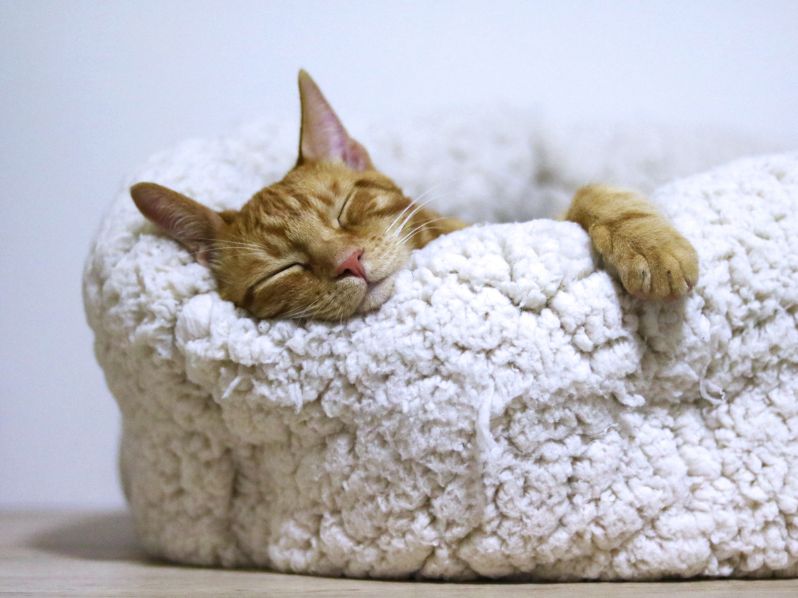
Make a safe and cozy haven for your cat where they can find comfort when you’re gone. This may include a comfortable cat bed in a tucked-away corner. It also may include their favorite toys – or even a shirt you’ve worn that has your scent.
6. Monitor Your Pet
Your cat’s safety and well-being are a top priority. However, when you’re not home, you may feel out of touch with your pet. Pet cams allow you to monitor your pet’s health as well as identify any signs of separation anxiety when you can’t be there personally.
In 2026, pet cameras range from approximately $40-$150, with many offering two-way audio, motion alerts, and cloud recording.
7. Consider a Veterinary Behaviorist
If you are not having any success with these methods, consider consulting a veterinary behaviorist. These specialists focus on helping animals conquer their fears and behavioral issues. Go to dacvb.org to find a veterinary behaviorist near you.
Behavior consultations in 2026 typically range from $300-$600 for an initial session, with follow up appointments often costing less. Many behaviorists also offer virtual consultations.
The Tail End
Separation anxiety can cause our feline friends a lot of distress, but it doesn’t have to be that way. By knowing the signs of cat separation anxiety, we can be ready to give our furry family members the help they need to live happy, anxiety-free lives.
Early intervention, consistency, and patience can make a significant difference in improving your cat’s emotional well being and overall quality of life.




Comments (0)