

Ultimate Guide to Saving Money on Veterinary Bills
This post may include affiliate links. Please read my disclosure policy.
This article has been updated to reflect the rising cost of veterinary care, which continues to be an important topic for pet parents. Although our sweet Chilly and Olivia have since crossed the rainbow bridge, the approach we use to manage and prepare for vet expenses remains just as relevant today.
Both our dog, Chilly, and our cat, Olivia, are getting a bit older – which likely means rising veterinary bills in our future.
For example, in a recent blog post, I discussed how Chilly has been showing some early signs of canine osteoarthritis. Osteoarthritis (OA) can lead to inflammation, pain, reduced function, or even severe degenerative changes.
So, as soon as we noticed possible signs of dog arthritis, we scheduled a visit to talk with Chilly’s veterinarian, Dr. Cole.
During that visit, Chilly got a physical exam which, fortunately, he passed with flying colors. Soon we’ll schedule another veterinarian visit to get x-rays of his hips, knees, and back to see if Dr. Cole can identify any early-onset signs of OA.
We know this could mean more veterinary bills, but we don’t want that to stop us from giving Chilly the best quality of life possible!
Pin me!

In addition to Chilly’s possible signs of dog arthritis and Olivia’s regular checkups, we’re also dealing with significantly more veterinary bills after adopting a third pet – our former foster puppy, Tulip!
Whether you have multiple pets, an aging pet, or a pet with chronic health conditions, you’re no stranger to both routine and unexpected medical expenses.
According to recent industry data, the average pet parent in the U.S. now spends between $800–$1,500 per year per pet on veterinary care, with emergency visits often ranging from $1,500–$5,000 or more.
So, I want to share the four strategies that I use to save money on veterinary bills. I’m confident that these tips will help you give your precious pets the very best care available without breaking the bank.
1: Preventative Care is Cheaper
Preventative care is one of the very best ways to save on veterinary bills. Through regular physical exams, bloodwork, and diagnostics, we give our veterinarian the opportunity to catch health concerns early. Our preventative care routine lets us get ahead of potential problems and be proactive about caring for our pets, rather than reactive.
In 2026, the average cost of an annual wellness exam ranges from $75–$150, while routine bloodwork typically costs $150–$300. Catching issues early can prevent costly treatments later that may run into the thousands.
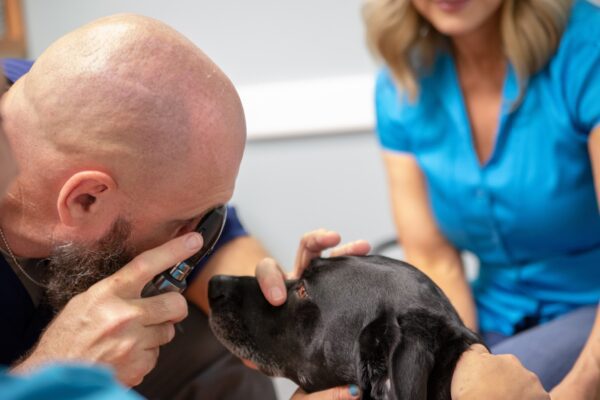
Another way we prevent health concerns before they even begin is by keeping our pets in shape.
Obesity in pets can lead to heart disease, orthopedic problems, and other chronic issues that are difficult and expensive to manage.
To keep excess weight off our pets, Chilly, Tulip, and Olivia eat a portion-controlled, high-quality diet and we give treats in moderation.

Additionally, we make sure that all of our pets get enough exercise. For Chilly and Tulip, that means daily walks and playtime, while Olivia enjoys regular playtime and an enriching environment in our home. Even regular bathing and grooming are essential to our preventative care routine.
My recent concerns about Chilly’s possible OA symptoms are a great example of preventative care in action. Early detection of OA will help us work with Chilly’s veterinarian to slow its progress, resulting in a better quality of life for him and savings for us!
If you suspect that you’re caring for a dog with arthritis, please don’t hesitate to call your veterinarian. Screening for OA starts with taking a history of symptoms noticed at home, so be prepared for your visit with well-documented changes you’ve seen in your dog. Video footage of your dog walking or climbing the stairs will help your veterinarian in the screening process.

This OA checklist is an excellent tool designed to help your veterinarian understand which symptoms your dog is showing. Additionally, it will prompt you to include important details about your dog’s medical history that could affect his diagnosis. After you fill out the OA checklist, don’t forget to bring it with you to your next veterinary appointment.
New questions to ask your veterinarian during preventative visits include:
- Are there early screening tests recommended for my pet’s age or breed?
- What lifestyle changes could reduce future medical risks?
- Are supplements appropriate at this stage, and which ones are evidence-based?
- How often should follow-up monitoring be done if a condition is suspected but not yet diagnosed?
2: Get the Best Pet Insurance
Additionally, we make sure that all of our pets get enough exercise. For Chilly and Tulip, that means daily walks and playtime, while Olivia enjoys regular playtime and an enriching environment in our home. Even regular bathing and grooming are essential to our preventative care routine.
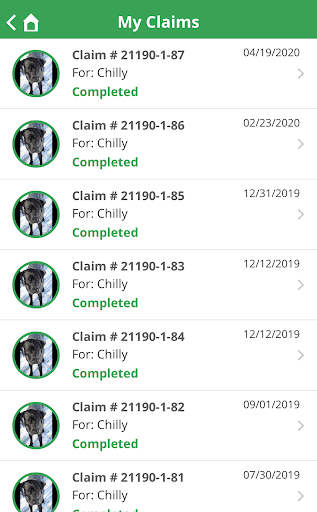
Pet health insurance is honestly one of the best investments I’ve ever made. At my last count, I’ve submitted 87 pet insurance claims for Chilly over the past 10 years. I’m so glad that, early on, we purchased a policy for him.
Since April 2011, we’ve paid about $6,000 in premiums and been reimbursed for over $9,700 in veterinarian bills. That’s a savings of nearly $4,000!
Needless to say, I’m a big advocate for pet insurance. It gives me peace of mind when unexpected veterinary bills pop up, because I know I’ll be able to afford the care that my pets deserve.
As of 2026, most pet insurance policies cost between $35–$70 per month for dogs and $20–$45 per month for cats, depending on breed, age, deductible, and coverage level. Comprehensive plans often reimburse 70–90% of covered costs after the deductible.
If pet insurance just isn’t an option, then it’s important to set up a separate savings account for your pet’s unexpected veterinary bills.
Many financial experts now recommend keeping at least $1,000–$2,500 per pet set aside for emergencies.
I definitely plan to keep using pet insurance policies in the future. In fact, I’m currently researching the right policy for our newly adopted Tulip. I particularly like the ones that offer preventative care programs.
Questions to ask before choosing a pet insurance plan:
- Are hereditary and chronic conditions covered?
- Is there an annual or lifetime payout cap?
- How are claims submitted and reimbursed?
- Are prescription medications included?
3: Shop Around for Prescription Medications

Whether your pet needs something as complex as medicine for dog arthritis or something as simple as flea and tick prevention, it’s always best to get your medications from your vet.
However, offers from online pet pharmacies like 1800PetMeds and Chewy.com can sometimes result in substantial savings. Many veterinary practices now operate their own online pharmacies and may price-match reputable retailers.
In 2026, common long-term pet medications can range from $30–$120 per month depending on dosage and condition, making comparison shopping especially valuable.
I recommend that you price medications online, then ask your veterinarian if they will honor that price. If possible, it’s best to keep your pet’s medication records with your veterinarian.
If your veterinarian won’t match the price or offer you a discount, then you can use online pharmacies. However, be sure to tell him or her what you are purchasing and how often.
Online pharmacies require your veterinarian to approve prescriptions, but it’s still a good idea to confirm that your pet’s medical record reflects all medications and supplements being used.
Additional cost-saving tips for prescriptions:
- Ask about generic alternatives
- Request 90-day supplies for chronic medications
- Check manufacturer rebate programs
- Confirm dosing accuracy to avoid waste
4: Veterinary Telemedicine
Veterinary telemedicine saves pet parents money by providing lower-cost virtual consultations, eliminating travel expenses, and reducing unnecessary emergency clinic visits for non-urgent issues. It allows for early detection of health problems, preventing costly advanced treatments later, while offering affordable access to care for routine concerns.
Here is how telemedicine offers financial benefits:
- Lower Consultation Fees: Virtual visits are generally less expensive than in-person office visits.
- Reduced Urgent Care Costs: Many pet issues (skin issues, mild vomiting, diarrhea) can be triaged virtually, sparing the high cost of emergency veterinary visits.
- Elimination of Travel Costs: No money is spent on fuel or pet transport services, as consultation occurs from home.
- Preventative Care Savings: Early, convenient access to advice helps address issues before they become severe, high-cost health conditions.
- Subscription Models: Many platforms like Dutch offer low-cost subscription services for unlimited, 24/7 care advice.
- Avoided Missed Work: Parents can avoid taking time off work to transport their pets during business hours.
5: Use Zoetis Petcare Rewards

Zoetis Petcare offers a variety of pet medications, including those that protect against pests, promote healthy skin, ease discomfort and pain, and help prevent diseases before they begin1.
The Zoetis Petcare Rewards program also provides pet parents with a great way to save on veterinarian bills!
Pet Care for All
Proper pet care is a necessity for responsible pet parents everywhere. Thankfully, affordable pet care is possible, even for households with multiple pets.
Preventative care can reduce the frequency of future veterinary bills by slowing the progression of pet health problems, like canine OA, or by preventing them altogether. Additionally, pet insurance combined with discounts, rewards, and offers on prescription medications can result in significant savings.
I hope you find these tips helpful. Please share them with fellow pet parents so we can get every pet the best care possible.







What pet insurance company do you use?
Hi Renee,
I use Healthy Paws Pet Insurance for my 10 year old lab mix, Chilly:) We’re looking at Pumpkin Pet insurance for our new puppy Tulip. My cat Olivia has Petplan.
Kristen