
How to Hydrate a Dog or Cat: 7 Ways to Keep Your Pets Cool This Summer
The summer months are typically a time when families enjoy a lot of time outdoors. And whether you enjoy more physical activities like walking or hiking, or you prefer to sit around the pool or put on a few backyard barbecues, chances are, your furry family members will be joining you for at least some of your outdoor summer fun.
But hydration isn’t only important during the warmer months. Indoor heating, exercise, illness, travel, dry climates, and even normal daily activities can increase your pet’s risk of dehydration any time of year.
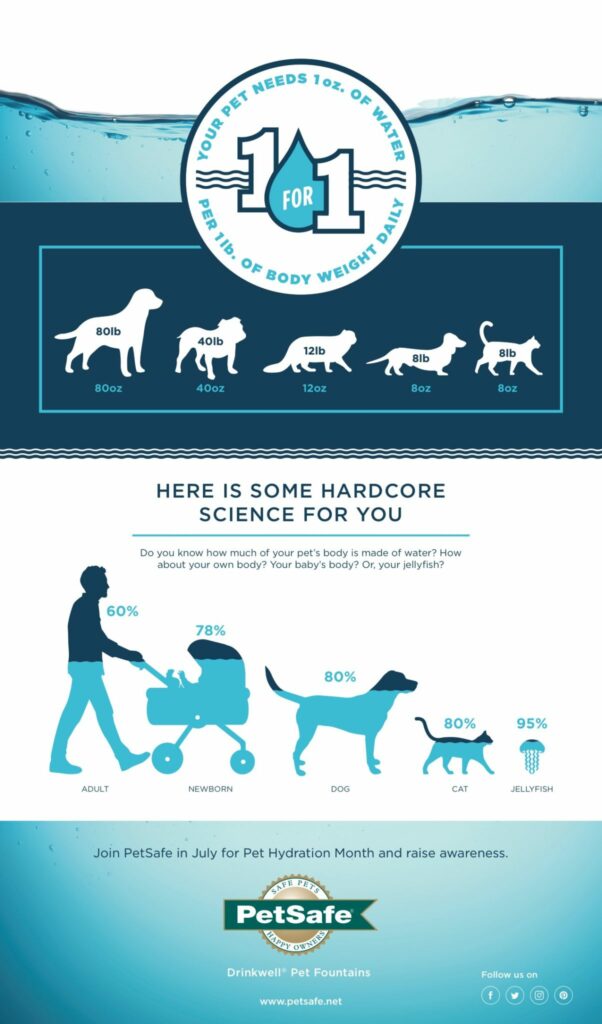
Most of us know how important it is for people to drink enough water, but it’s just as important for pets. Water makes up approximately 60-70% of an adult dog’s body weight and about 60% of an adult cat’s body weight, depending on age and body composition. Because such a large percentage of your pet’s body is made up of water, staying properly hydrated is essential for their overall health. When temperatures rise, pets can be just as vulnerable to dehydration and heat exhaustion as people, making access to fresh water especially important.
Here in Florida, it can be hot just about any time of the year, but no matter where you live, it’s important to pay close attention to make sure your pets are drinking enough water. July is recognized as National Pet Hydration Awareness Month, serving as a reminder for pet parents to focus on one of the most important aspects of their pet’s health. Proper hydration supports healthy digestion, circulation, temperature regulation, and organ function, while helping reduce the risk of dehydration and heat-related illnesses during the warmer months.
Why Pet Hydration Matters Year-Round
While July is recognized as National Pet Hydration Awareness Month, hydration should be a daily focus throughout the year. Dehydration can develop quickly during hot weather, but it can also occur during illness, after strenuous exercise, during travel, or when pets simply don’t drink enough water.
According to veterinary experts, even mild dehydration can impact your pet’s energy levels, organ function, and overall health.
Hydration and Your Pet’s Health
Getting enough water is crucial to your pet’s health. Staying hydrated:
- Promotes urinary tract health. Pets who stay hydrated have lower risk of urinary tract infections. They also avoid developing urinary stones or crystals that can cause dangerous obstructions.
- Helps regulate body temperature. Water has a cooling effect on your pet’s body and helps them maintain a consistent, healthy temperature—even when it’s hot.
- Keeps energy levels up. Water helps animals convert fat to energy. So when you keep your dog hydrated, he’ll have enough energy for play and exercise!
- Promotes easier healing and recovery. Drinking water keeps your pets’ kidneys healthy and flushes toxins from their bodies. This helps them recover from sickness, injury, or surgery more quickly.
- Supports healthy digestion. Adequate water intake helps food move properly through the digestive tract and may help reduce constipation, especially in cats.
- Helps support kidney function. Proper hydration allows the kidneys to effectively filter waste products from the bloodstream and maintain healthy organ function.
It’s one thing to know how important it is to keep your dog . It’s another to make sure that they are actually drinking enough!
Frequently Asked Questions About Pet Hydration
Can pets drink too much water?
Yes. Although uncommon, excessive water consumption can sometimes signal underlying medical conditions such as diabetes, kidney disease, Cushing’s disease, or certain hormonal disorders. If your pet suddenly begins drinking significantly more water than normal, contact your veterinarian.
How long can a dog or cat go without water?
Most healthy pets can survive for several days without water, but dehydration can begin within 24 hours. Never intentionally restrict access to fresh drinking water.
Are some pets more prone to dehydration?
Yes. Senior pets, puppies, kittens, pregnant or nursing pets, highly active pets, brachycephalic breeds (such as Bulldogs and Pugs), and pets with chronic medical conditions may be at higher risk.
Pin Me!
How Do You Keep Your Pets Hydrated?
Here are eight ways to keep your cat or dog hydrated and cool:
1. Know The Signs of Dehydration
Dehydration is a serious condition that happens when our pets lose more water and electrolytes than they take in. A dehydrated dog or cat can develop issues with their internal organs, body temperature, joints, and digestion. In severe cases, it can cause kidney failure, loss of consciousness, or even be fatal.
Our pets, especially cats and dogs, lose water daily through panting, breathing, urinating, defecating, and evaporation from their paws. Normally, they make up for this loss by eating and drinking, but if they don’t get enough fluids, they can become dehydrated. More than just being thirsty, being dehydrated affects your cat’s or dog’s body in its entirety, as it reduces blood flow and oxygen delivery to tissues and organs.
So what causes dehydration in dogs and cats? Overheating (or perspiring through the paws) is a common cause. This is often related to an activity or exercise that exceeds a safe level in hot weather. Pets with illnesses like kidney failure or diabetes are also more prone to dehydration because these conditions cause them to urinate more. Other possible causes include heatstroke or fever. Older pets, pregnant or nursing pets, and our smaller kitties and pups may be more susceptible to dehydration.
Common signs of dehydration in dogs and cats include:
- Vomiting and/or diarrhea
- Loss of energy
- Excessive, ongoing panting
- Loss of appetite
- Sunken, dry eyes
- Dry, sticky gums
- Loss of skin elasticity
- Dark yellow urine
- Reduced urination
- Thick saliva
- Dry nose (although a dry nose alone is not a reliable sign of dehydration)
- Increased heart rate
If you suspect that your pet is dehydrated, call your vet immediately. He or she can monitor your pet’s condition and administer fluids if necessary. Check out this video from PetSafe Brand for tips on how pet parents can check hydration levels at home.
How To Check Your Pet Hydration At Home
One simple way to check hydration is the “skin tent test.” Gently lift the skin between your pet’s shoulder blades and release it. In a well-hydrated pet, the skin should quickly return to normal. If it stays tented or returns slowly, contact your veterinarian.
You can also check your pet’s gums. Healthy gums should feel moist and slippery. Dry or sticky gums can indicate dehydration.
2. Know How Much Water Your Pet Needs
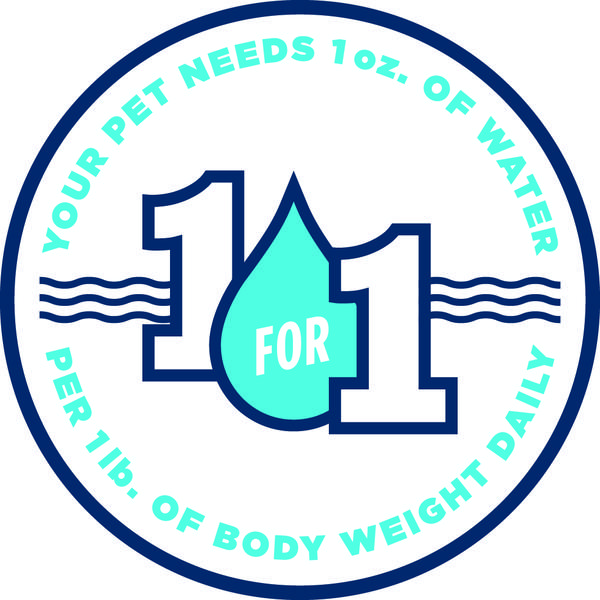
Your cat’s or dog’s body weight will determine how much water they’ll need to keep themselves hydrated. A general guideline is approximately 1 ounce of water per pound of body weight per day. However, activity level, diet, weather, health conditions, and age can all affect your pet’s water needs.
Pets eating canned or fresh food often consume less water because their food already contains significant moisture. Pets eating primarily dry kibble may need to drink more water.
It might be hard to keep track of exactly how much water your furry friend is drinking from their water bowl, especially if you have multiple pets or if Fido occasionally drinks from backyard puddles or the kids’ wading pool. But knowing how much water your pet needs will help you to keep a closer eye on his water intake and determine whether they need to drink water more.
3. Give Your Pet Access To Water At All Times
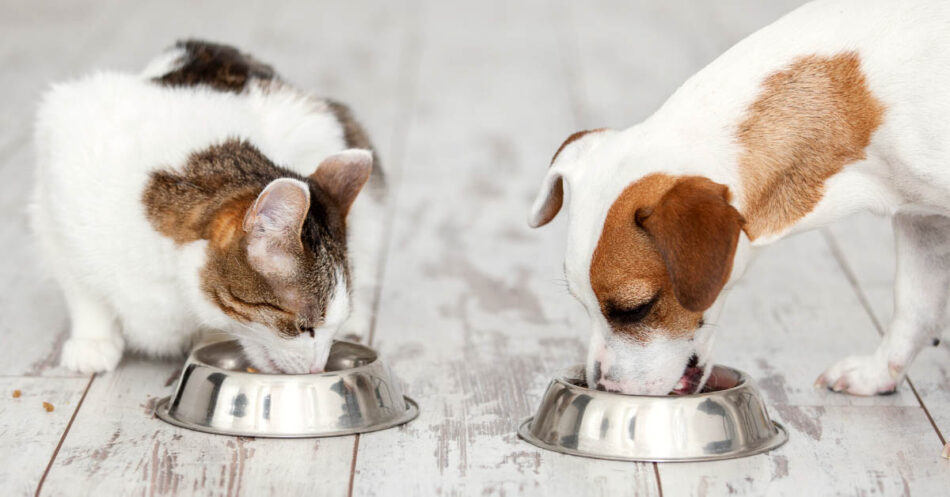
There should never be a time when you deprive your pet of the opportunity to drink water. If possible, place more water bowls or a pet fountain in your home. Having more water bowls means they have constant access to water, even if one water bowl is empty, which improves your cat’s or dog’s water intake. On particularly hot days, you can even add ice cubes to keep your cat or dog hydrated and cool.
If you leave for any period of time, leave enough water so that your pet doesn’t run out before you get back—perhaps get an even bigger dog bowl or cat dish. Even if you’re house-training a puppy, he should always have plenty of clean water available. If you plan on spending time outside with your pet, make sure that you fill a water bowl and bring it out with you or keep water bowls outside (if your dog doesn’t play with the bowls!).
Change your pet’s water frequently, and wash water bowls every day to prevent bacteria from growing.
Also, consider placing water stations on every level of your home, especially if you have senior pets who may have difficulty navigating stairs.
4. Bring Water With You
If you’re on the go, don’t forget to bring water for your pets. Taking a long car trip? Stop a few times and give them a chance to drink some fresh water. Hitting the trails with your dog? If you’re thirsty, it’s likely he is too. Keep your dog hydrated by offering him some water when you stop to drink. You can even find a special portable water bowl or doggy water bottle that makes it easier to keep him hydrated.
Portable dog water bottles and collapsible travel bowls have become increasingly popular and typically range from $10-$30 in 2026, making them an affordable option for active pet families.
5. Help Your Pet Stay Comfortable
Pets heat up quickly in the sun, especially those with dark coats like my late dog, Chilly. When your dog is outside, even if it’s only for a short time, keep your dog hydrated and cool by making sure he has access to a nice shady spot and water bowl to cool off. And when you’re inside sitting in front of the air conditioning, your pet would probably be happiest and comfiest sitting right next to you!
Hydration and temperature regulation go hand in hand. Whether it’s a warm summer day or a heated home during winter, providing a comfortable resting area can help reduce unnecessary fluid loss.
6. Add Water to Your Pet’s Food
We humans can get a lot of water from the foods that we eat. But pet food, especially the dry kibble, isn’t especially high in water content. If you suspect that your pet isn’t getting enough water from drinking alone, try adding a little water to his dry food or start offering more wet food. Cats especially may benefit from eating a little more wet food than dry kibble, as plenty of cats can be quite finicky about drinking still water from their water bowl.
Bone broth made specifically for pets (without onions, garlic, or excess sodium) can also encourage some pets to consume additional fluids.
7. Offer Your Pet Cool Treats
Keeping your pets hydrated doesn’t have to be just plain water and some ice cubes. Make it fun by offering them a variety of cool frozen treats!
For dogs, you give them some fruit popsicles. Mash some fruits that are safe for dogs like watermelons, bananas, or apples, and freeze them in fun popsicle molds. You can also add in a bit of peanut butter (Xylitol-free, of course). Now that’s a fun and cool way to keep your dog hydrated! Remember not to give too much at a time.
We know some kitties may be a little more picky with their treats. If your cat loves fruits as much as your pup does, offer them some of the fun fruit popsicles as well. If they turn their nose up on those cool treats, try making some frozen paté cubes. Mix their favorite paté-style wet food with some of your kitties’ soft treats and a sprinkle of catnip. Scoop them into a silicone mold and freeze them. Offer these tasty cool treats to your kitty on particularly hot days.
For cats, low-sodium tuna water (packed in water, not oil) can sometimes encourage drinking when mixed with fresh water in small amounts.
8. Watch for Medical Conditions That Affect Hydration
Certain health conditions can increase your pet’s risk of dehydration or cause excessive thirst, including:
- Kidney disease
- Diabetes
- Hyperthyroidism (common in cats)
- Digestive disorders
- Fever or infection
- Certain medications
If your pet’s drinking habits suddenly change, schedule a veterinary examination.
9. Try Pet Drinking Fountains
A pet’s instinct tells them that running water is fresh water, but stagnant water (like in your cat’s or dog’s water bowl) is not always safe or healthy. Many pets are naturally drawn to running water and will drink water more from a fountain than they will from a traditional water dish.
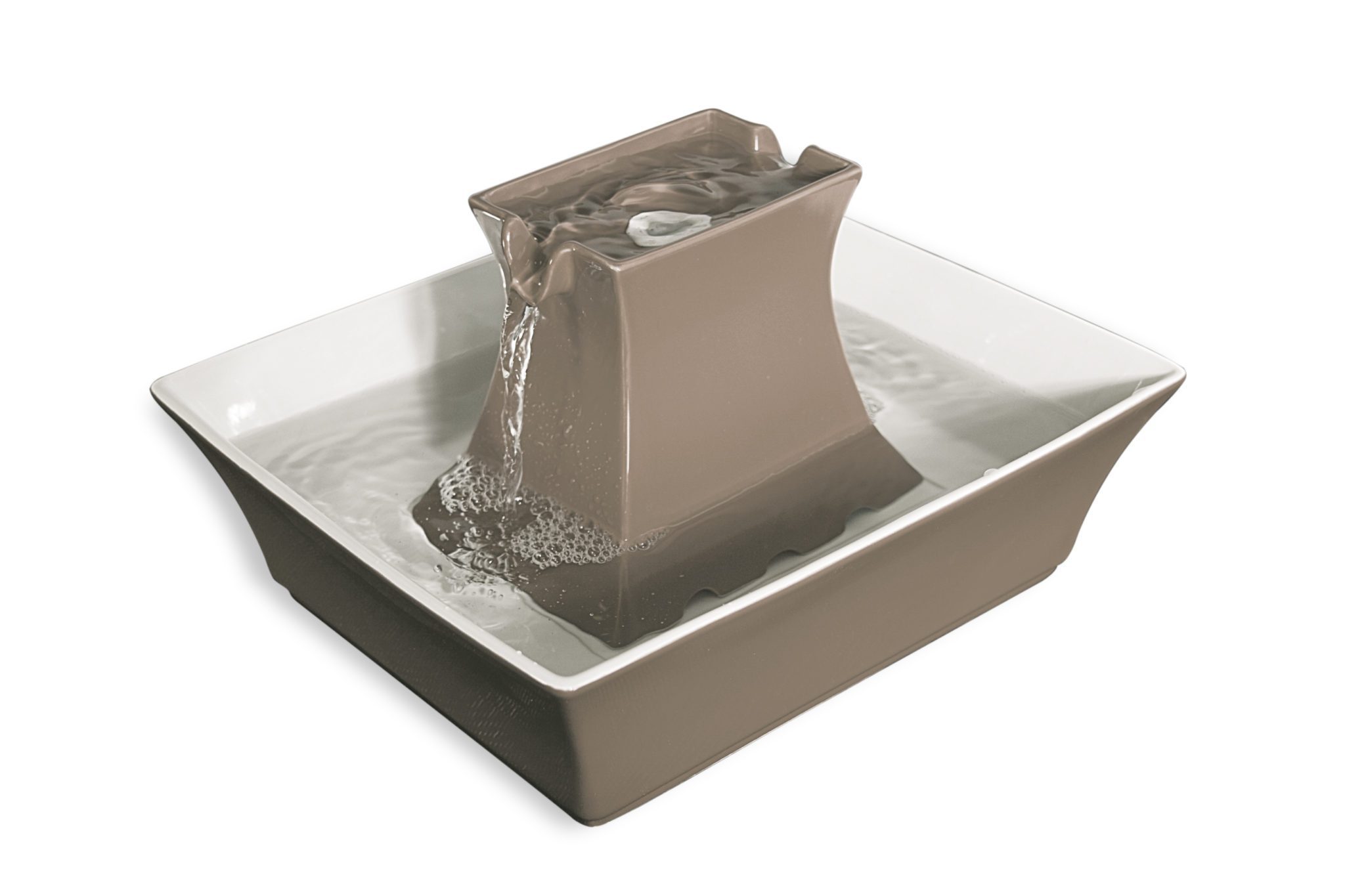
My cat Olivia LOVES to drink from the bathroom faucet. She meows for me to turn it on, even when she has a bowl full of fresh water! So I knew she would be a big fan of the PetSafe® Drinkwell® Pagoda Drinking Fountain. Now that she has her beautiful fountain, she can get fresh, filtered, running water whenever she wants it—not just when I’m around to turn on the faucet!
Just knowing how much my girl loves to drink from her fountain is enough for me, but there are a few more reasons why I think this fountain is amazing. The running water encourages my pets to drink more, but the fountain also filters and circulates the water (which keeps bacteria from growing), so I know that their water will be fresh and clean around the clock—not just for a few minutes after I refill their bowls.
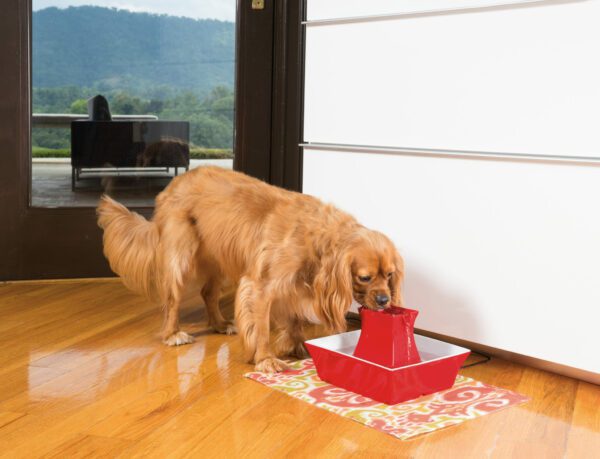
I also love how easy the Pagoda Drinking Fountain is to clean—I can even put it in my dishwasher! And it doesn’t hurt that it’s stylish, too!
The Pagoda fountain is paw-some for small to medium pets, and it comes in four colors to coordinate with any room! If you’re looking for a little extra peace of mind, this is a great option to encourage your pets to drink more so that they can stay hydrated and cool year-round!
Keeping your dog or cat properly hydrated is one of the simplest yet most important things you can do to support their health. By understanding your pet’s water needs, recognizing early signs of dehydration, and making hydration easy and appealing, you can help support healthy kidneys, digestion, energy levels, and overall wellness throughout the year.
When in doubt, talk with your veterinarian about your pet’s individual hydration needs, especially if they’re a senior pet, have a chronic health condition, or show changes in drinking habits.
~Petfully yours, Kristen


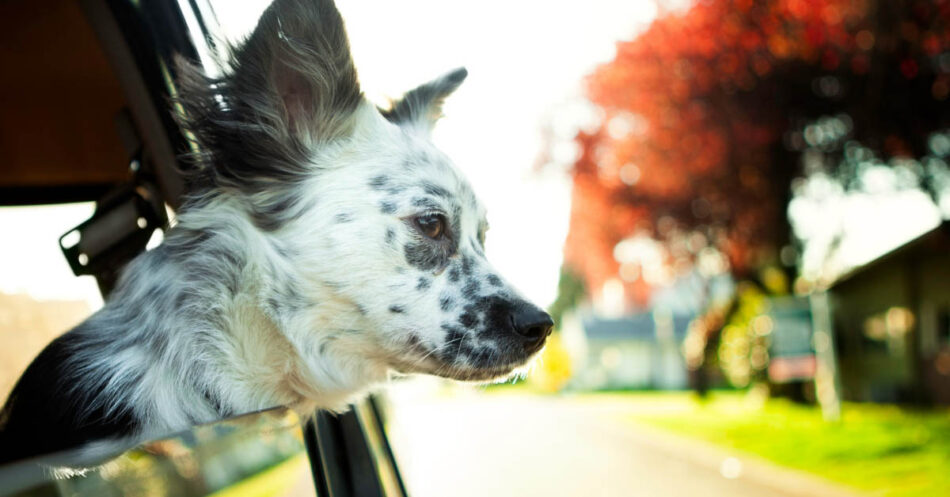


Always carry a water bottle to keep your pet hydrated at all times. That is what i do. I love this hassle free bottle i got from https://mirlindi.com/products/pet-outdoor-water-bottle , It is such a travel friendly bottle and is has become an essential item for me to carry.
I agree! Water bottles are a must. Thanks for sharing!
Kristen